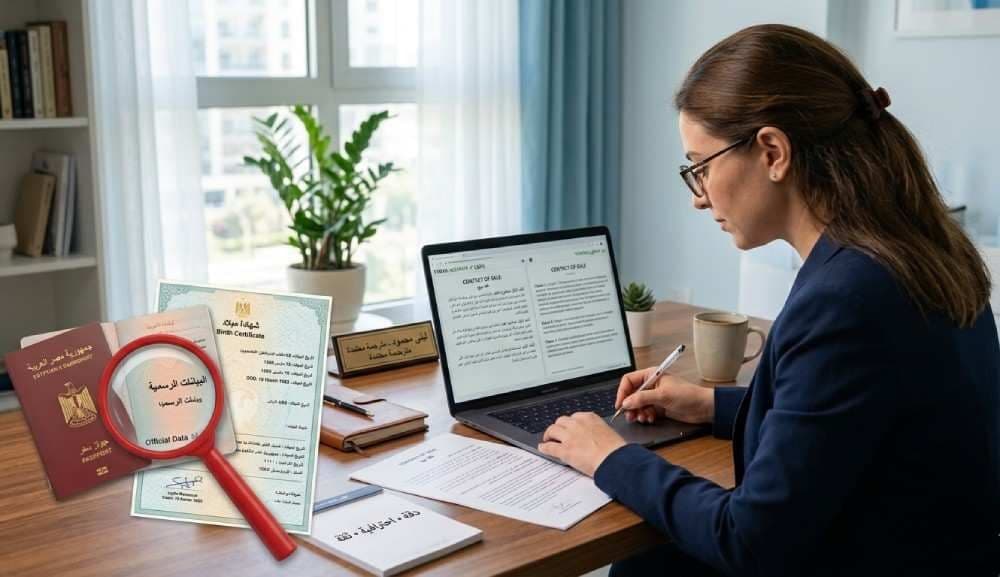
What Is the Difference Between a Translator and a Proofreader?
Discover the key differences between a translator and a proofreader, and understand how each role contributes to delivering accurate, professional, and publication-ready content.
 May 18, 2026
 Maged
Maged 0 Comments
 8 Minutes to read
Translation goes beyond merely transferring words; it is an art that connects cultures. Yet, the real creativity lies in the details that make a difference. This highlights the importance of answering the question: What is the difference between a translator and a proofreader? It is a journey that begins with shaping the meaning and ends with perfecting the linguistic style a commitment that World Dictionary embodies, delivering precise, global-quality content to ensure your voice is heard clearly and professionally in every language.
The Difference Between a Translator and a Proofreader
In the world of professional translation, many people confuse the roles of the translator and the proofreader, even though each has specific tasks that impact the quality of the final text. World Dictionary offers comprehensive services combining precise translation and professional proofreading to guarantee high-quality content that conveys your message clearly and professionally. Here’s the answer to the question: What is the difference between a translator and a proofreader?
1. Profession
A translator specializes in converting texts from one language to another while preserving meaning, content, and cultural context. Their work revolves around deeply understanding the original text and then rephrasing it in accurate language suitable for the target audience.
A proofreader, on the other hand, focuses on enhancing the quality of the text after translation, reviewing language and style without altering the translation itself.
2. Nature of Work and Focus
The translator focuses on the accuracy of meaning, correct terminology, and alignment with the specialized field. The proofreader focuses on correcting spelling and grammatical errors, improving style, and ensuring the smoothness and consistency of the translated text.
3. Stage of Intervention
The translator works with the original text and delivers a complete translated version. The proofreader begins their work after the translation is complete, reviewing the final text before publication or official use.
4. Importance and Final Quality
The translator’s importance lies in providing the foundation for accurate translation. The proofreader’s role is to elevate professionalism and ensure the text is error-free. Therefore, having both a translator and a proofreader is essential for producing high-quality content that reflects a reliable, professional image.
When Do You Need Only a Translator? And When Do You Need Both a Translator and a Proofreader?
You may only need a translator when the content is not intended for publication or official use, such as informal correspondence or general review of content in another language, where the primary focus is understanding the meaning rather than high-level linguistic accuracy.
However, you need both a translator and a proofreader when the text is intended for publication or official/commercial use—such as websites, contracts, reports, marketing materials, or medical/legal content. Here, accuracy is not the only concern; linguistic correctness, professional style, terminology consistency, and error-free content are crucial. A proofreader alongside the translator ensures all of this.
What Is the Difference Between a Translator and an Interpreter?
Understanding the difference between a translator and an interpreter is essential to choosing the right service according to the type of content or event. World Dictionary offers specialized expertise in both written and interpretation services to meet your needs, whether for texts or live conferences and meetings, with the highest level of precision and professionalism.
1. Nature of Work
A translator works with written texts, transferring content from one language to another accurately while considering meaning, context, and specialized terminology. An interpreter handles spoken language in real time, translating conversations directly during conferences, meetings, seminars, or interviews.
2. Methodology and Timeframe
Written translation allows time for careful review and improvement, while interpretation relies on speed, high focus, and instant decision-making without the possibility of stopping or revising.
3. Required Skills
A translator needs advanced language and writing skills, along with research ability and understanding of cultural and field-specific contexts. An interpreter needs immediate listening and analytical skills, quick thinking, and the ability to speak fluently and confidently under pressure.
4. Accuracy and Style
Written translation emphasizes linguistic accuracy and smooth style, whereas interpretation prioritizes conveying the meaning clearly and fluently.
Thus, translators and interpreters play different yet complementary roles, and the choice depends on the content type, available time, and purpose of translation.
What Is the Difference Between Proofreading and Editing?
Editing is like renewing and enhancing a text; the editor may delete or rewrite sentences and change words to make ideas clearer and more appealing to the reader.
Proofreading, however, is the final step, focusing solely on correcting errors. The proofreader looks for spelling, grammar, punctuation, and typographical mistakes, ensuring the text is flawless without altering its meaning or narrative style.
From Draft to Perfection… Let Your Texts Speak the Language of Quality!
Now that you understand the difference between a translator, reviewer, and proofreader, it is clear that real quality lies in integration. At World Dictionary, we do not just provide translation; we polish your text through meticulous checks to ensure your message reaches your audience with clarity and strong impact.
Do not leave your first impression to chance! Benefit from our comprehensive expertise in translation and proofreading, and let your content reflect the professionalism of your organization worldwide. Contact World Dictionary today to transform your words from mere text into success stories that transcend borders.